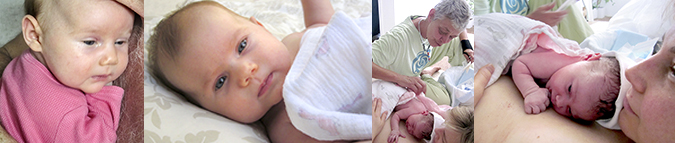
Yes, how a baby is born is important. Does the process affirm, extend and support the pulsing, vibrant, resonate relationship that has been unfolding for months or does it separate, alienate, terrify, filling mother and baby with cortisol ending in shock, trauma and depression? March is Birth Psychology Month and the Association for Pre and Perinatal Psychology and Health (APPPHA) has created a resource site to celebrate and inform.
Our contribution to paradigm changing awareness is a sparkling chat with Robbie David Floyd, PhD. Robbie is cultural/medical/symbolic-interpretive anthropologist, specializing in ritual studies and the anthropology of reproduction. Her book Birth as an American Rite of Passage is a classic. In it she defines the routine use of obstetrical practices as rituals that initiate women into a technocratic culture. Robbie and I have been colleagues for over twenty years and this interview is stunning.
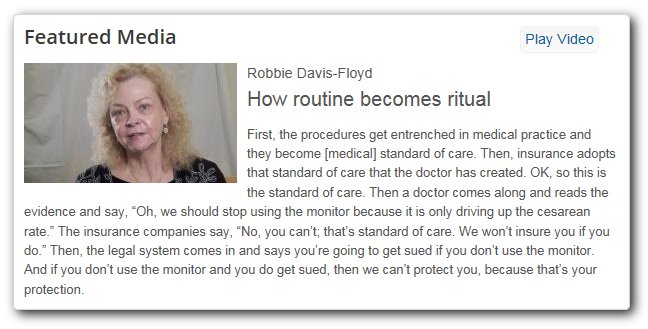
Visit The Academy, Pregnancy, Birth And Bonding for the entire interview and more.
Michael Mendizza